If your home feels bigger than your life needs now, you are not alone. In Weiser, many longtime homeowners are asking the same question: how do you simplify without giving up the community, routines, and familiar places you love? The good news is that downsizing here does not always mean leaving town. It can mean choosing less upkeep, fewer stairs, and a home that fits this next season of life. Let’s dive in.
Why downsizing makes sense in Weiser
Weiser is a compact city with an estimated 6,249 residents in 2025, and about 25.3% of the population is age 65 or older. That matters because many owners are at a stage where home maintenance, stairs, and extra square footage start to feel more like work than comfort. Downsizing is often less about giving something up and more about making daily life easier.
Weiser’s size also works in your favor. With a land area of about 2.98 square miles, it is possible to stay close to the places and routines that shape your week. Downtown, the public library, parks and recreation spaces, the Weiser River Trail, the Snake River Heritage Center, and the Vendome Events Center all help make a smaller home feel like a practical lifestyle shift rather than a major disruption.
Homeownership is still a big part of life here, with a 62.8% owner-occupied housing rate. For many owners, that means there is a real opportunity to trade a larger property for something simpler while staying rooted in the same community. If you want less yard work and less to manage, Weiser offers a setting where that move can still feel familiar.
What “right-sizing” really means
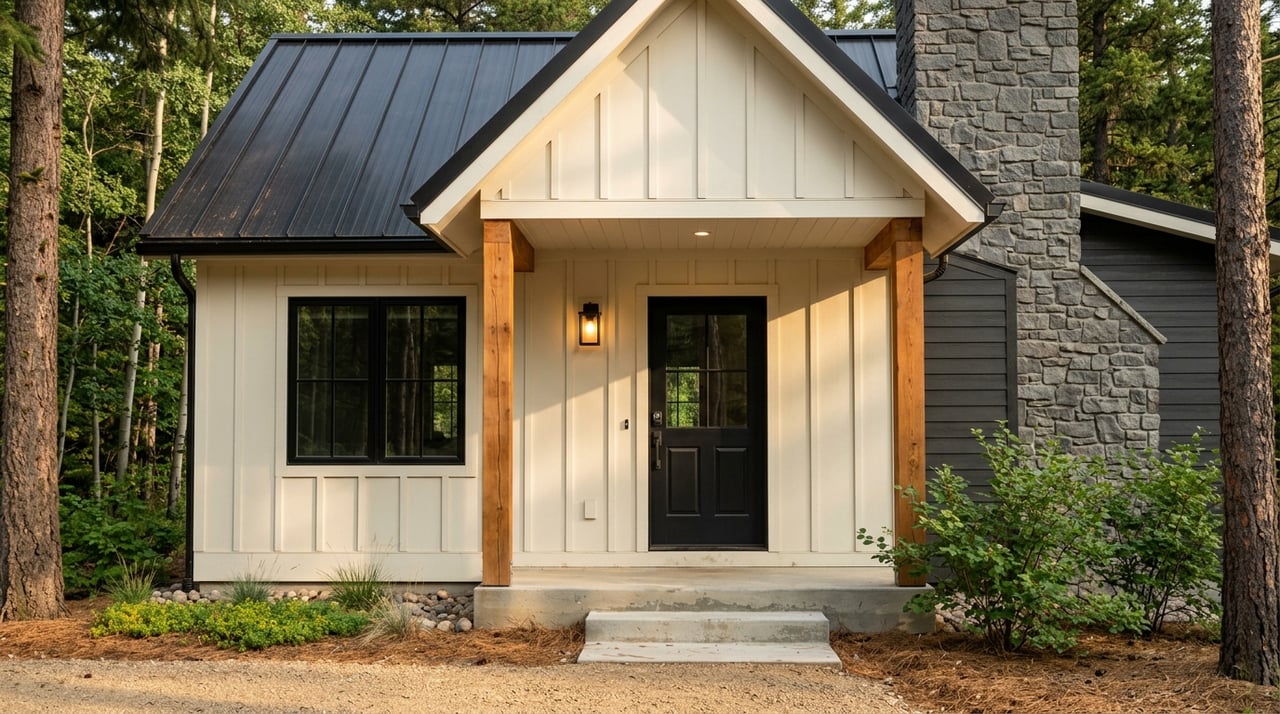
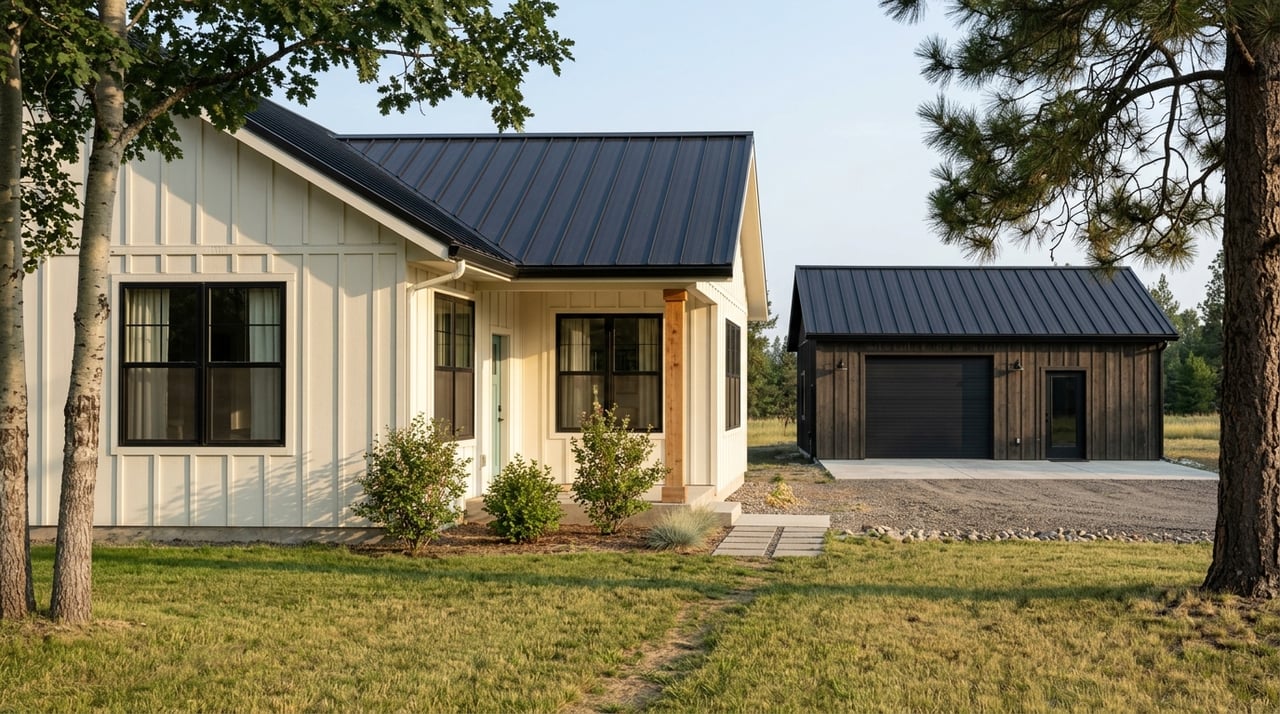
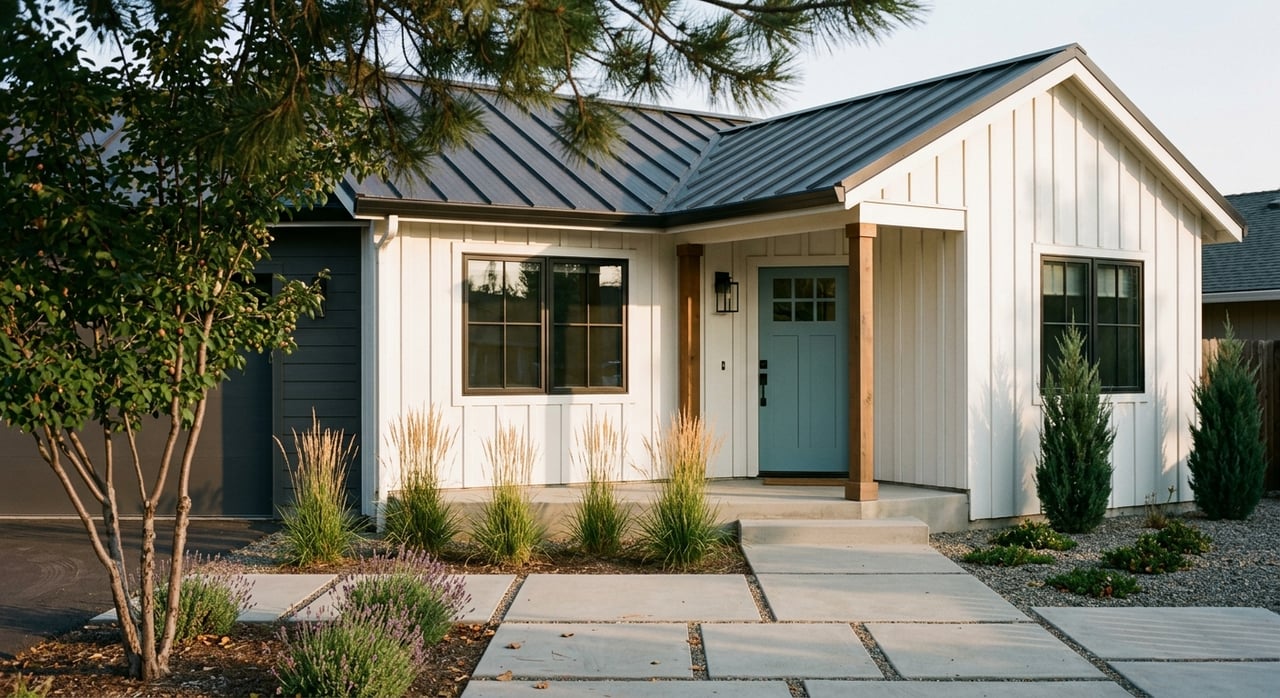
Right-sizing is not just moving into the smallest place you can find. It means choosing a home that matches how you live now. You may want one-level living, a smaller lot, less storage to maintain, or fewer rooms to clean and heat.
For some homeowners, right-sizing also means staying flexible. You may want space for hobbies, guests, or a home office, but not the burden of unused bedrooms or acreage that takes constant work. The goal is not to squeeze your life down. The goal is to support it better.
That is especially true if your current home has become harder to maintain. Many owners choose to move before a major repair cycle, accessibility challenge, or larger expense becomes unavoidable. Planning early often gives you more control over both timing and budget.
Downsizer-friendly housing options in Weiser
You may have more local options than you think. Current Weiser listings include single-family homes, manufactured or mobile homes, farms, and land, and some search tools include a single-story filter. That mix matters because it means downsizing does not have to look the same for everyone.
Here are some of the local housing types that may fit a downsizing plan:
- Smaller single-family homes if you want less square footage but still prefer a traditional house
- Single-story homes if reducing stairs is a priority
- Manufactured or mobile homes if you want a lower-maintenance setup and primary residence tax benefits may still apply
- Age-restricted rentals if you want to step away from ownership responsibilities entirely
One local example is Parkview Center, which offers a 62+ one-bedroom community with an elevator, community room, laundry, and carports. For some homeowners, that kind of move creates a simpler monthly routine while keeping them in Weiser.
What the Weiser market means for your move
The local market appears slower and more negotiable than a classic seller’s market. As of April 2026, Realtor.com shows 92 homes for sale in Weiser, a median listing price of $414,500, a median sold price of $298,475, and 51 median days on market. Redfin reports a median sale price of $339K and 81.5 days on market.
Those numbers are not identical because they come from different datasets and timeframes, but they point in the same direction. Homes may take time to sell, and buyers may have more room to negotiate than in a fast-moving market. If you are downsizing, that means pricing, preparation, and timing matter.
A slower market is not necessarily bad news. It often gives you more breathing room to make thoughtful decisions about your next home. But it does mean you should plan carefully if your purchase depends on the proceeds from your current sale.
Sell first or buy first?
This is one of the biggest downsizing questions, and the right answer depends on your finances, comfort level, and timing. If you need the money from your current home to buy the next one, selling first can reduce risk. It may also help you set a firmer budget for what comes next.
Buying first can feel more convenient if you want to avoid moving twice. But if the next purchase depends on your sale proceeds, coordination becomes more important. In financed purchases, the loan closing and home purchase typically happen at the same time, so your timeline needs to be organized well in advance.
Some homeowners use a temporary bridge loan when they plan to sell their current home and need a short-term financing solution. Another option in some transactions is a rent-back arrangement, where you sell your home but stay in it for a specified period after closing. Both tools need to be structured early through your lender and contract terms.
Start preparing earlier than you think
Many downsizing moves feel stressful because owners wait until the home is listed or under contract to start making decisions. A smoother move usually starts much earlier. The more you do upfront, the more choices you keep.
Focus first on the tasks that reduce future pressure:
- Declutter room by room
- Separate must-keep items from nice-to-keep items
- Gather key home documents
- Make a short list of repairs or maintenance items
- Think through where furniture will fit in a smaller home
- Build a simple moving timeline
If financing is involved in your next purchase, there are also timing details to keep in mind. Buyers typically receive the Closing Disclosure at least three business days before closing, and a final walk-through should happen before signing. That is another reason to avoid leaving everything until the last minute.
Taxes and property relief to review in Idaho
If you are downsizing in Idaho, property tax relief programs may affect your planning. Idaho offers three primary-residence relief tools that can matter during a move: the homeowner’s exemption, the Property Tax Reduction program, and the Property Tax Deferral program. These are handled through the county assessor.
The homeowner’s exemption applies to owner-occupied primary residences, including manufactured homes. It exempts 50% of the home’s value up to $125,000. The exemption applies to the home and up to one acre of land.
The Property Tax Reduction program can lower taxes by $250 to $1,500, and the Property Tax Deferral program postpones taxes until later. For 2026, the Property Tax Reduction application window runs from January 1 to April 15. The deferral application window runs from January 1 to the first Monday in September.
If your current home includes acreage, this point becomes especially important. Relief rules apply to the home and up to one acre of land, so lot size can affect carrying costs when you move. Reviewing these details before you list or buy can help you avoid surprises.
How to think about acreage and upkeep
In Washington County, some longtime owners live on larger lots or acreage that made perfect sense years ago. Over time, though, mowing, fencing, outbuildings, irrigation tasks, and seasonal maintenance can become more demanding. Downsizing can be a way to keep your independence while reducing that workload.
That does not mean every move has to be from country property into an apartment. It may simply mean shifting from a larger parcel to a smaller lot, or from a multi-level home to a one-level layout. The best fit depends on what parts of ownership still feel worthwhile to you and which parts no longer do.
A simple downsizing plan
If you want to right-size without leaving Weiser, keep your plan simple and local.
1. Define your next chapter
Start with lifestyle, not square footage. Ask yourself what you want daily life to feel like. You may want fewer chores, easier access, lower carrying costs, or to stay close to downtown and familiar community spaces.
2. Review your current home honestly
Look at stairs, deferred maintenance, yard size, and unused rooms. If your home needs major work soon, that may shape your timing. A realistic review now can save stress later.
3. Explore local options
Look at smaller single-family homes, single-story properties, manufactured homes, and age-restricted rental options. Compare features based on how you live today, not how you lived ten or twenty years ago.
4. Build your timing strategy
Decide whether you need to sell first, buy first, or coordinate both closely. If your next purchase depends on sale proceeds, ask early about timing tools like bridge financing or post-closing occupancy arrangements.
5. Prepare your sale with care
In a slower market, presentation and pricing matter. Decluttering, repair planning, and clear next steps can help your home show better and support a smoother transition.
Downsizing does not have to mean leaving Weiser
For many homeowners, the real goal is not moving away. It is staying in the place you know while making life easier. In a city like Weiser, where daily routines are close at hand and housing options include smaller and lower-maintenance choices, right-sizing can be a practical way to keep your community and lose some of the strain.
If you are starting to think about what comes next, a local plan matters. The right move is not just about selling a house. It is about creating a home setup that fits you now.
When you are ready to talk through your options in Weiser, connect with Two Rivers Real Estate Company LLC for local guidance rooted in Washington County and a thoughtful plan for your next chapter.
FAQs
What does downsizing in Weiser usually mean?
- Downsizing in Weiser often means moving to a smaller, easier-to-maintain home while staying close to familiar routines, services, and community spaces.
What types of homes work for downsizers in Weiser?
- Common options include smaller single-family homes, single-story homes, manufactured or mobile homes, and some age-restricted rental housing such as 62+ communities.
Is Weiser a fast seller’s market right now?
- Current market snapshots point to a slower, more negotiable market, with homes taking longer to sell than in a hot bidding-war environment.
Can a manufactured home qualify for Idaho’s homeowner’s exemption?
- Yes. Idaho’s homeowner’s exemption can apply to a manufactured home if it is your owner-occupied primary residence.
How much is Idaho’s homeowner’s exemption?
- The homeowner’s exemption exempts 50% of the home’s value up to $125,000 for a qualifying primary residence.
What Idaho property tax programs may matter when downsizing?
- The main programs to review are the homeowner’s exemption, the Property Tax Reduction program, and the Property Tax Deferral program, all administered through the county assessor.
Should I sell my Weiser home before buying the next one?
- If your next purchase depends on sale proceeds, selling first may reduce risk, but the best approach depends on your budget, financing, and comfort with timing.
Can I stay in my home after closing in a Weiser downsizing move?
- In some cases, yes. A post-closing occupancy arrangement, often called a rent-back, can allow you to stay in the home for a specified period if it is negotiated in the contract.