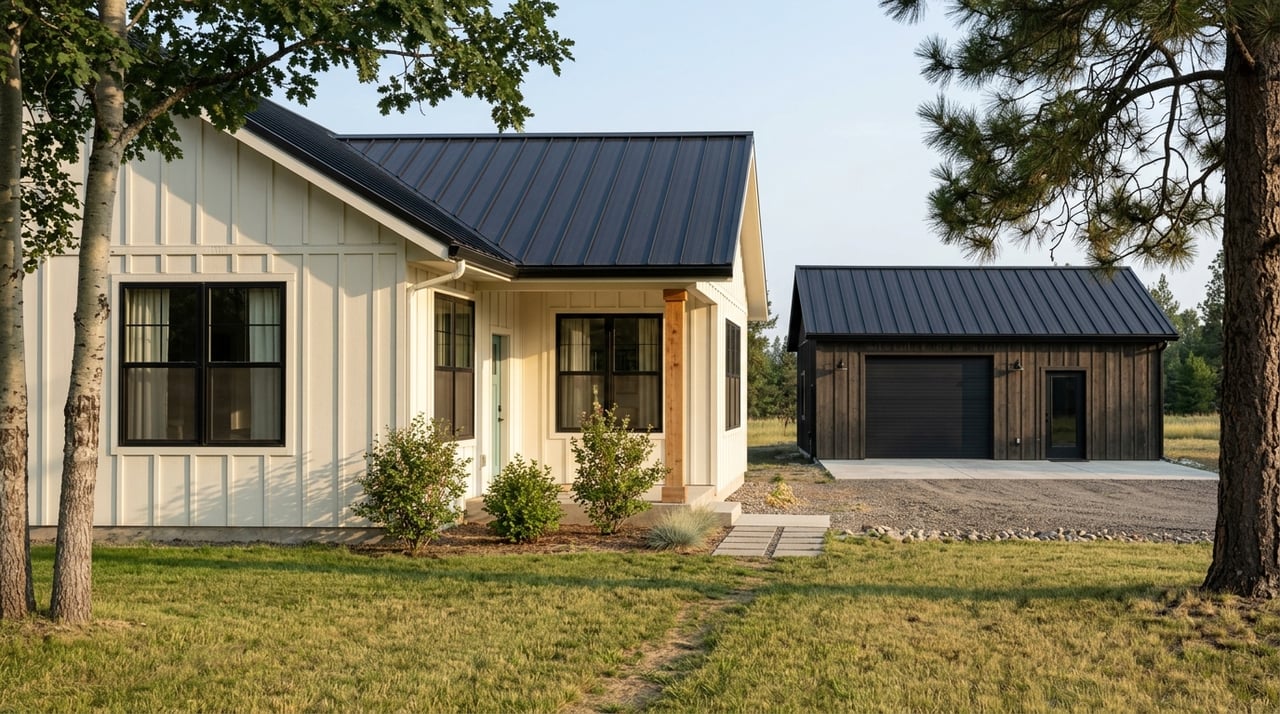
Looking at acreage near Midvale can stir up a big vision fast. Maybe you picture a few animals, a large shop, extra room for family, or simply a quieter place with open views and elbow room. The exciting part is that those lifestyles can be possible here, but the details matter. If you want to buy with confidence, you need to match your goals to the parcel’s zoning, access, water, and septic realities. Let’s dive in.
Why acreage near Midvale stands out
Acreage near Midvale is not one-size-fits-all. Washington County treats rural land as a mix of agricultural, residential, and compatible non-residential uses, which means each parcel can have a different set of opportunities and limits.
That local context matters because U.S. Highway 95 runs through Midvale, and county planning documents point to road access, agricultural traffic, flood impacts, and infrastructure as recurring issues for rural development. In plain terms, the right parcel for you depends on more than the number of acres.
Matching land to your lifestyle
Many buyers start with a dream, then work backward. That is a smart way to begin, but with acreage, you also need to ask whether the land supports that dream in a practical and legal way.
Hobby farm plans
If you want space for crops, livestock, poultry, or a small-scale farm setup, Washington County’s agricultural zoning can support that use. The A1 zone allows cultivation, crops, livestock and poultry raising and sale, farm and ranch houses, home business, and single-family dwellings.
The A2 zone is also agricultural, but the county says it is better suited to rural residential development. It permits the same uses as A1 and allows residential subdivisions with lots one acre or larger, which can make A2 especially appealing if you want rural living with some added flexibility.
Workshop or homestead use
If your vision includes a shop, equipment storage, or room for projects, you will want to look closely at how buildings are treated. Washington County defines agricultural buildings as structures for farm implements, hay, grain, poultry, livestock, and similar uses, not places of habitation or public use.
That distinction matters because Southwest District Health says an accessory use approval is required before the county will issue a building permit for an addition, shop, or other building. So if a shop is high on your wish list, it should be part of your due diligence from day one.
Multigenerational living
Some buyers want acreage for family living that stretches beyond one household. In the A1 zone, Washington County lists temporary living quarters for dependent relatives and additional farm and ranch houses for farm laborers as special uses.
That means extra living space may be possible, but it is not automatically allowed. County review is part of the process, so it is important to confirm what is permitted before you rely on that plan.
Quiet retreat expectations
If you are dreaming of a peaceful retreat, acreage near Midvale can offer wide skies and more separation from town. At the same time, many properties sit in an active agricultural setting.
In A1, the county requires a nuisance waiver that gives nearby agricultural practices priority. That means sounds, dust, odors, machinery, and seasonal farm activity may be part of everyday life, even on a property that feels private and serene.
Zoning shapes what you can do
One of the biggest mistakes acreage buyers make is assuming open land means unlimited freedom. In reality, zoning is one of the first filters that determines whether a property fits your goals.
Washington County’s zoning system regulates use, size, height, lot area, floor density, and structures. If you are considering a rezone or another land-use request, the county process includes public hearings and notice to nearby property owners within 300 feet.
A1 zone basics
The A1 Agricultural Zone is designed for agricultural use and has important rules for buyers to know. Dwellings generally need at least 20 acres unless a historic split exception applies, residential subdivisions are not allowed, and only one single-family residence is allowed per approved lot.
The county also notes that some older original parcels may qualify for limited one-acre splits tied to the parcel’s size and history. If you are considering any future division or additional homesite, that history becomes a critical part of the analysis.
A2 zone basics
The A2 Agricultural Transitional Zone is still agricultural, but the county says it is better suited to rural residential development because of parcel size or environmental conditions. It permits the same uses as A1 and allows residential subdivisions with lots one acre or larger.
For some buyers, that can make A2 a better fit than A1. It may offer a more practical path if your goals lean toward rural residential living instead of a more traditional agricultural setup.
Buildability and splits
Buildability is one of the most important questions you can ask. Washington County’s planning office no longer performs deed searches for buyers, and applicants must research the original parcel chain back to April 9, 1979.
The county then makes building-permit and split determinations on a first-come, first-served basis. That means you should never assume a parcel can be split or built on simply because it looks usable on the surface.
Site systems matter just as much
Even if zoning works for your plans, acreage still needs the right site systems to feel livable and functional. Access, water, and septic can each affect your timeline, your budget, and what you can actually do with the property.
Road access and rural travel
Access comes first. Washington County’s comprehensive plan notes that U.S. Highway 95 runs through Midvale, the county has about 490 miles of paved and improved roads, and many rural dwellings are within three miles of road access.
Still, access is not just about getting to the parcel. County road standards and the interaction between agricultural traffic and transportation routes can also affect rural development, so it is worth confirming how the property is served and whether that access meets county requirements.
Wells and water testing
If the property uses a private well, water due diligence is essential. Idaho’s water resources agency says a drilling permit is required before drilling a well, all wells must be built by a licensed well driller, and domestic wells do not require a water right permit.
Idaho DEQ also says private wells are not regulated under the Safe Drinking Water Act, so the owner is responsible for water safety and should test for nitrate and bacteria at least once a year. IDWR notes that arsenic occurs commonly in groundwater in the Weiser area of southern Washington County, which makes testing and documentation especially important in this market.
Septic approvals and capacity
Septic is another major checkpoint for acreage buyers. Idaho DEQ says a property owner must obtain a permit from the public health district before installing a septic system and should have a site evaluation done before purchase.
Southwest District Health says septic permitting is a prerequisite to a county building permit in most cases, and an on-site evaluation is required before a subsurface sewage disposal permit is issued. If you want to add a shop, second unit, or future expansion, septic capacity should be reviewed early.
Seasonal burning rules
Acreage often comes with seasonal cleanup and land maintenance. If you expect to clear brush or manage yard waste, burning rules are part of the practical side of ownership.
The Idaho Department of Lands says a free burn permit is required outside city limits from May 10 through October 20. Idaho DEQ also says local ordinances, burn bans, and air-quality restrictions may apply, and some types of waste cannot be burned unless specifically allowed.
What to verify before you buy
A rural property can look perfect online and still raise serious questions once you start reviewing the details. A focused checklist can help you avoid expensive surprises and keep your search grounded in facts.
Here are some of the first things to verify for acreage near Midvale:
- The parcel’s current zoning and whether it allows your intended use
- Legal road access and whether access appears to meet county standards
- Well records, water testing results, and any known water-quality concerns
- Septic approval status, system capacity, and whether it matches the home’s bedroom count
- Whether a planned shop, addition, or extra living area will require accessory-use review
- Whether the parcel may qualify for a split or future homesite based on parcel history
- Whether livestock plans are affected by open range or herding district rules
These questions matter because Washington County and local health rules focus on compatibility, access, water quality, septic capacity, and agricultural impacts. In other words, successful acreage buying here is about fit, not just acreage count.
Why local guidance helps
Buying acreage near Midvale is often more layered than buying an in-town home. You are not just comparing finishes or square footage. You are evaluating how a parcel’s zoning, infrastructure, and rural setting line up with the life you want to build there.
That is why local, practical guidance matters. When you work with a team that understands Washington County land, rural property questions become easier to sort through before they turn into costly surprises.
Whether you are looking for a hobby farm, a workshop property, a multigenerational setup, or a retreat with room to breathe, the goal is the same: find acreage that truly fits your plans. If you want help sorting through the details, connect with Two Rivers Real Estate Company LLC for local guidance rooted in Washington County experience.
FAQs
What zoning should you check for acreage near Midvale?
- Start by confirming whether the parcel is in A1 or A2, because those zones shape whether your plans for farming, residential use, shops, or future flexibility are likely to fit.
Can you build more than one home on acreage near Midvale?
- Not automatically. In A1, only one single-family residence is allowed per approved lot, and extra living arrangements may require county review as a special use.
What should you know about wells on Midvale acreage?
- Private well owners are responsible for water safety, and Idaho DEQ recommends testing for nitrate and bacteria at least once a year.
Why is septic review important for rural property near Midvale?
- Septic permitting is often required before a county building permit, and the system needs to support the current home and any planned expansion, shop, or additional living space.
Can you assume acreage near Midvale can be split later?
- No. Washington County requires parcel history research back to April 9, 1979, and split or building determinations are not automatic.
Is a quiet retreat near Midvale always completely secluded?
- Not necessarily. Many acreage properties are in active agricultural areas where normal farm sounds, dust, odors, and machinery are part of the rural setting.