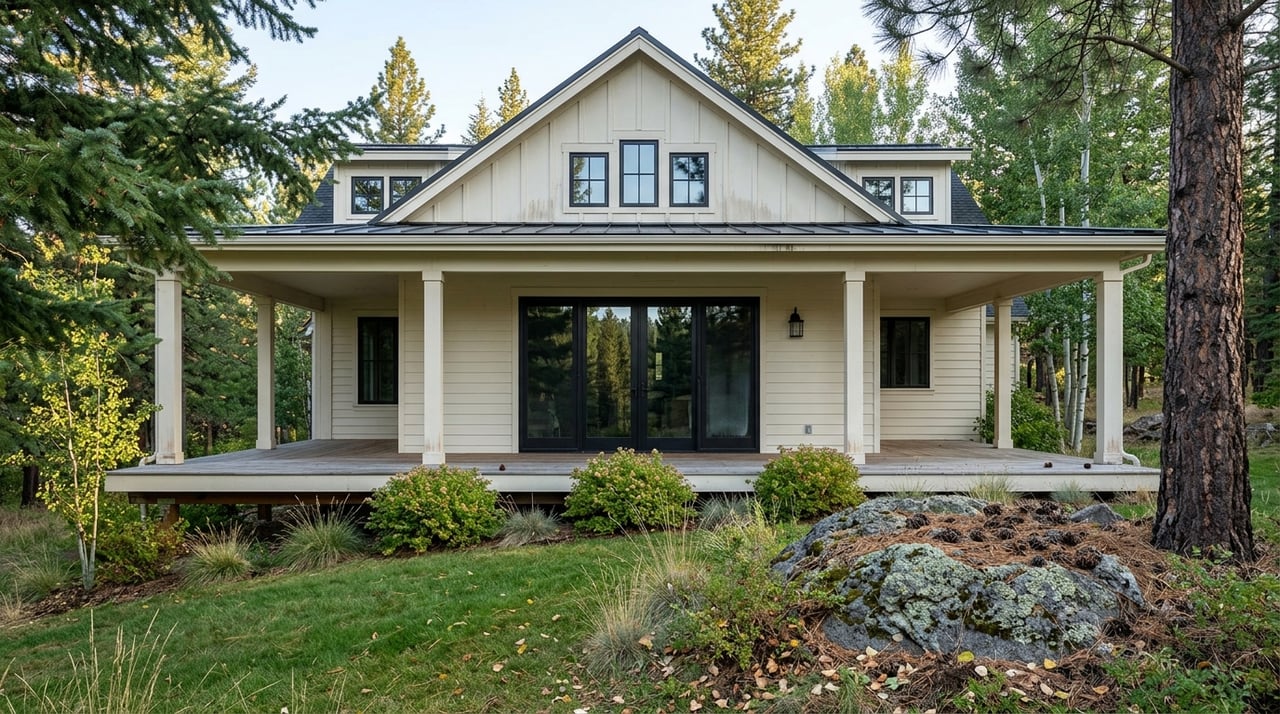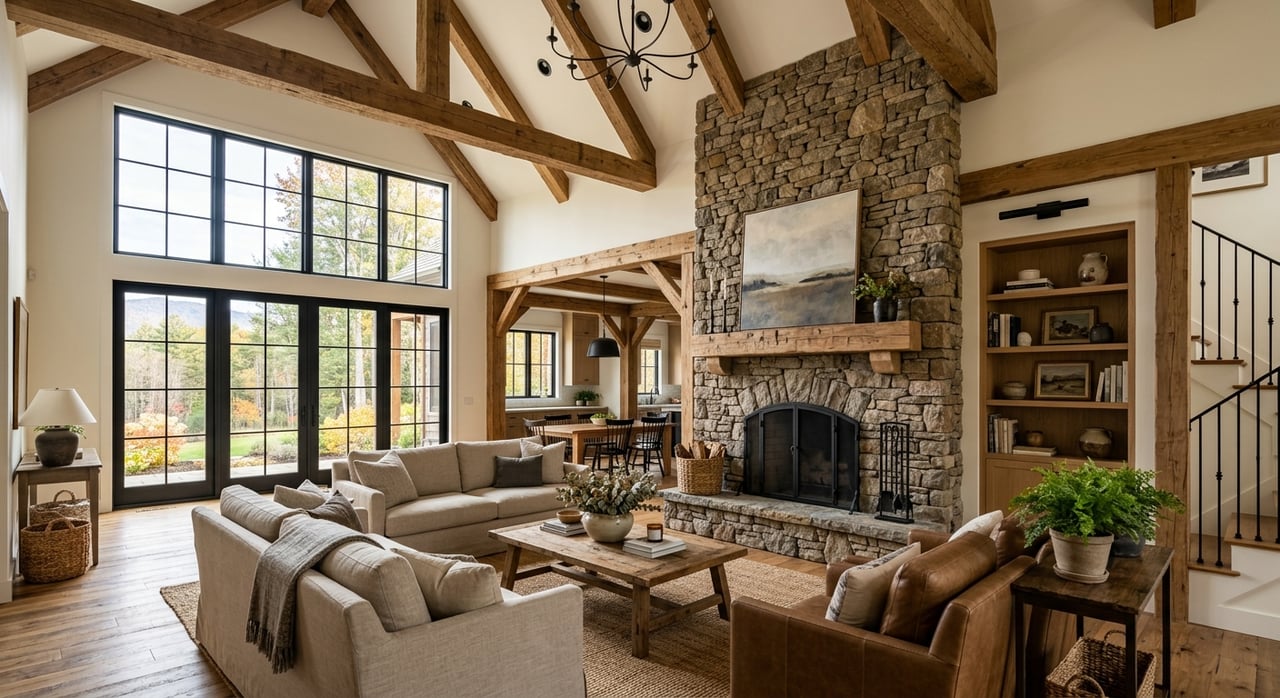
Wondering whether a McCall home can double as a smart vacation rental? You are not alone. Many buyers are drawn to McCall for its lake lifestyle, winter recreation, and second-home appeal, but buying with rental income in mind takes more than spotting a pretty cabin. If you are weighing personal use, seasonal demand, and real operating costs, this guide will help you evaluate vacation rental potential with a clearer, more practical lens. Let’s dive in.
Why McCall draws vacation rental buyers
McCall is a resort-driven market with a small year-round population and a big seasonal swing. City materials note that the population can more than triple during summer months and holidays, which helps explain why vacation rentals are such a common part of the housing picture.
The city also says McCall is strongly influenced by second homes and seasonal residents. Homeowner guidance states that 73% of homes in McCall are vacant, which points to a market where part-time use and visitor lodging play a major role.
For you as a buyer, that means a vacation rental purchase should be viewed as a seasonal business opportunity, not a simple year-round income property. The homes that perform best are often those that fit how people actually visit McCall across the calendar.
Start with McCall’s seasonal demand
Winter is a major booking season
Winter is one of McCall’s biggest demand drivers. The city reports that the annual Winter Carnival brings more than 60,000 people each year, and Chamber data shows January and February lodging-tax collections more than tripled over a 10-year period.
That makes late January through February especially important when you are evaluating income potential. A property that fits winter visitors well may have stronger revenue opportunities during this key stretch than a buyer might expect from looking at off-season activity alone.
Summer also supports strong demand
Summer is not just busy, it is foundational to McCall’s visitor economy. City materials highlight Payette Lake, the Payette River, hiking, biking, golf, music, and arts events as major draws.
The city’s FY25 lodging revenue projections show the largest monthly shares from June through September, with another strong cluster from December through March. In simple terms, McCall often works best as a dual-season vacation rental market.
Shoulder seasons deserve careful review
Spring and fall can be softer. That matters because buyers sometimes estimate income based on peak-night pricing and assume that pace will continue all year.
A more realistic approach is to stress-test lower-occupancy months. In McCall, seasonal swings appear to be a core part of the market, not an exception.
How to underwrite a McCall vacation rental conservatively
McCall’s homeowner guidance recommends looking closely at occupancy, taxes, furnishings, cleaning, utilities, repairs, insurance, and vacancy risk before buying for short-term rental use. That is good advice because short-term rentals often cost more to operate than buyers expect.
The same city guidance notes that short-term rentals can come with higher upfront costs, more frequent turnover, higher operating expenses, and less predictable income than long-term rentals. If you are comparing a vacation rental with a traditional rental, this difference is important.
A conservative underwriting model can help you avoid buying based on best-case assumptions. Instead of asking, “What could this home make in a perfect year?” ask, “Does this purchase still make sense if a few peak periods underperform?”
A practical income checklist
Before you write an offer, build a simple model that includes:
- Peak-season and off-season occupancy assumptions
- Local and state lodging-related taxes
- Furnishing and replacement costs
- Cleaning and turnover expenses
- Utilities and internet
- Repairs and routine maintenance
- Insurance costs
- Vacancy risk during slower months
- Management costs, if you will not self-manage
This kind of model gives you a more useful picture of net income, not just gross revenue.
Regulations and taxes can change the math
McCall’s short-term rental guidance is currently in transition. A June 2026 city notice says Idaho HB 583 prevents the city from requiring operational permits or registrations for short-term rentals, effective July 1, 2026, but stays of 30 days or less still owe the 8% Local Option Non-property Tax.
Because older city pages still describe earlier permit-era rules, buyers should verify the current process directly with the city before underwriting a purchase. This is especially important if you are buying from out of area and relying on older listing language or past owner practices.
At the state level, Idaho says lodging providers must charge sales tax and travel-and-convention tax on stays of 30 days or less, including vacation-home rentals and private residences. The Idaho State Tax Commission also notes that operators generally need the proper permits for short-term lodging, though those permits may not be needed when a property is rented only through a marketplace that collects and remits the taxes.
For you, the takeaway is simple: taxes and compliance steps are part of the investment, not an afterthought. They affect your net income and your operating plan from day one.
Property location can affect your due diligence
Not every property tied to McCall falls under the same rules. The city says homes in the former or current McCall Impact Area need to contact Valley County, which means the applicable process may differ depending on whether the property is inside city limits, in the impact area, or elsewhere in Valley County.
That makes parcel-level due diligence especially important. Before you move forward, confirm exactly where the property sits and which jurisdiction applies.
Why parcel location matters
A home that markets well as “McCall” may not be regulated the same way as a property inside city limits. If you skip this step, you could make decisions based on the wrong set of assumptions.
For vacation rental buyers, this is one of the most important early checks to make. It can shape your compliance path, your operating plan, and your timeline after closing.
HOA and condo rules still matter
Even if local rules allow short-term rentals, association documents may be more restrictive. McCall’s homeowner guidance specifically says buyers should review HOA and condo documents because CC&Rs, parking rules, guest limits, and owner-use restrictions can affect rental use.
This is a critical point for condo and planned-community buyers. A property can look great on paper, but if the association limits rental frequency or guest activity, your income plan may not work the way you hoped.
When you are reviewing a property, ask for the governing documents early. It is much easier to evaluate fit before you are under pressure to remove contingencies.
Management plans matter more than many buyers expect
Owning a vacation rental in a seasonal market means more moving parts. Guest communication, cleaning coordination, maintenance, and tax remittance all need a clear plan.
McCall’s homeowner guidance encourages owners to compare local and regional property-management options and review the services they provide. The city’s lodging tax information also notes that some property-management companies can hold the business license and handle tax remittance for managed units.
If you will not be in McCall regularly, local management support can be especially helpful. It can also make your ownership experience more predictable during busy turnover periods.
Consider whether hybrid use fits your goals
Not every buyer wants a pure investment property. Some buyers want a place to enjoy personally while earning income during high-demand periods.
McCall’s own homeowner materials suggest that a hybrid pattern can make sense, such as using the home in one season and renting it in another, or even arranging a 6 to 9 month lease while the owner is away. That flexibility can be appealing if your main goal is lifestyle first and income second.
Hybrid use can also lead to more balanced expectations. Instead of forcing a home to perform like a full-time vacation rental, you can evaluate how it supports your personal use, carrying costs, and seasonal income goals together.
Questions to answer before writing an offer
If you are serious about buying in McCall with vacation rental potential in mind, try to answer these questions before you commit:
- Is the property inside McCall city limits, in the impact area, or elsewhere in Valley County?
- Do the HOA or condo rules allow short-term rentals?
- Will you use the home personally, rent it full time, or follow a hybrid approach?
- Who will handle guest communication, cleaning, maintenance, and tax remittance?
- Does the budget still work if winter or summer occupancy comes in below expectations?
These questions can help you move from excitement to clarity. In a market like McCall, that shift is often what separates a good purchase from a frustrating one.
A smart McCall purchase starts with realistic expectations
McCall can be a compelling place to buy a vacation property, but strong appeal does not guarantee strong performance. The most successful buyers usually start with local due diligence, realistic seasonal modeling, and a clear plan for management and compliance.
If you approach the purchase with conservative numbers and the right questions, you can make a more confident decision about whether a specific home fits your goals. And if personal enjoyment matters just as much as income, that clarity becomes even more valuable.
If you are exploring recreational or second-home opportunities in McCall and want grounded guidance on property fit, rental potential, and day-to-day ownership considerations, Two Rivers Real Estate Company LLC is here to help.
FAQs
What makes McCall different for vacation rental buyers?
- McCall has strong seasonal demand patterns, with notable peaks in winter and summer, so you should evaluate rental potential as a seasonal business rather than a flat year-round income stream.
What taxes apply to short-term vacation rentals in McCall?
- According to the city and the Idaho State Tax Commission, stays of 30 days or less may involve McCall’s 8% Local Option Non-property Tax as well as Idaho sales tax and travel-and-convention tax.
What should buyers check about McCall property location?
- You should confirm whether the parcel is inside McCall city limits, in the impact area, or elsewhere in Valley County because the applicable rules and contacts may differ by jurisdiction.
What should buyers review in McCall HOA documents?
- Buyers should review CC&Rs and association rules for any short-term rental limits, parking rules, guest limits, or owner-use restrictions that could affect vacation rental plans.
Can a McCall home be both a getaway and a rental?
- Yes, city homeowner guidance notes that some owners use a hybrid approach, enjoying the home during part of the year and renting it during another season or using a longer lease while away.