If you have lived in your Weiser home for years, selling it can feel both exciting and a little overwhelming. Older homes often come with charm, history, and solid craftsmanship, but they can also bring extra questions about condition, repairs, pricing, and buyer expectations. The good news is that when you know what to expect, you can make smart decisions before your home hits the market. Let’s dive in.
Why older homes in Weiser stand out
Weiser has a housing stock that includes many long-held homes, and that matters when you sell. Census data shows a high owner-occupied rate, a large share of residents age 65 and older, and a strong pattern of people staying in the same home year to year. In a market like this, buyers often see older homes as properties with history and character, but they also pay close attention to upkeep.
The City of Weiser historic preservation plan also notes 25 National Register properties in town, most of them private homes, plus additional properties identified as eligible. That does not mean every older home is historic, but it does show that heritage homes are part of the local housing picture. If your home has older details, original materials, or a long ownership story, those features can help it stand out when paired with clear condition information.
Expect buyers to focus on condition
In Weiser, pricing and buyer response can depend heavily on how well an older home has been maintained. Public market sources vary, but they point in the same general direction: condition matters, and list prices do not always line up with closed sales. That is why your pricing strategy should rely on recent comparable sales and the actual condition of your property, not just current active listings.
A buyer may love your home's character, but they will still look closely at the systems and structure. Older homes often draw more detailed questions because buyers want to understand what has been updated, what still works well, and what may need attention later. Being prepared for those conversations can help you avoid surprises during negotiations.
What inspections often uncover
A typical home inspection covers the structure, roof, exterior, plumbing, electrical systems, heating and cooling, interiors, insulation and ventilation, and fireplaces. Depending on the property, inspectors may also test for mold, radon gas, lead paint, and asbestos. For an older Weiser home, these areas often shape the next steps in the sale.
Common issues in older homes often include:
- Foundation or structural concerns
- Drainage or moisture problems
- Outdated or unsafe wiring
- Heating and cooling issues
- Missing or outdated safety items like smoke or carbon monoxide alarms
Not every older home has major problems. Still, buyers and their lenders may respond strongly to visible signs of deferred maintenance, especially if those issues affect safety, function, or financing.
Moisture problems can become deal issues
Moisture is one of the biggest trouble spots in older homes. Basement or crawlspace leaks, roof leaks, stained ceilings, musty smells, and poor ventilation can raise concerns quickly. What looks minor to a seller can become a larger issue once a buyer, inspector, or appraiser sees it.
This matters even more when financing is involved. HUD guidance for FHA appraisals notes concerns such as water-stained ceilings, mold odors, and attic ventilation problems. If your home has visible moisture damage, it may become part of the buyer's repair request or a lender requirement.
Electrical systems deserve a close look
Older wiring and aging electrical components can also come up fast during a sale. Warning signs can include dim or flickering lights, hot outlets, buzzing, sparks, damaged insulation, or frequent breaker trips. In older homes, these issues may point to a system that has been patched over time rather than fully updated.
That does not mean you need a full electrical overhaul before selling. It does mean you should take known warning signs seriously. A safety review before listing can help you understand whether an issue should be repaired, disclosed, or reflected in the price.
Lead paint and asbestos may come up
If your home was built before 1978, lead-based paint rules are important. Federal law requires sellers to disclose any known lead-based paint information before the contract is signed, provide available records or reports, give the required lead pamphlet, and allow a 10-day period for a buyer to complete a paint inspection or risk assessment.
Asbestos can also be a concern in older homes, though federal law does not require sellers to disclose it in the same way as lead-based paint. Idaho's disclosure form does ask sellers about known asbestos, radon, or other toxic materials. For older homes, that makes honest documentation especially important.
Idaho disclosures matter more with older homes
Idaho's seller disclosure form plays a major role when you sell an older home. The form requires sellers of residential real property to complete and deliver the disclosure within 10 calendar days after accepting an offer. It is based on what you know as the owner, not what your agent guesses or assumes.
For older properties, that form asks about many of the exact issues buyers care about most. That includes roof damage or leaks, drainage or floodplain concerns, siding problems, asbestos, radon, toxic materials, and whether the home is in a historic district or is considered a landmark. If you know about an issue, it is better to disclose it clearly than to let it surface later in the transaction.
A pre-listing inspection can help you plan
A pre-listing inspection can be a practical tool when you are selling an older home in Weiser. It gives you information before a buyer brings in their own inspector, which can make the process feel more controlled and less reactive. Instead of waiting for surprises, you can decide how you want to handle known issues.
In many cases, your options come down to three paths:
- Repair the issue before listing
- Disclose the issue and sell as-is
- Price the home with the issue in mind
That decision depends on your goals, timeline, and budget. Some repairs make sense because they remove financing obstacles or improve first impressions. Others may not offer enough return to justify the cost before sale.
Financing can affect repair requests
One of the biggest surprises for sellers is that some repair requests are not just about buyer preference. They may be tied to the buyer's loan. HUD guidance for FHA financing specifically points to concerns such as roof life, structural issues, defective paint, attic moisture or mold, and signs of wood-destroying pests.
That means a buyer may want to move forward, but the lender may still require certain issues to be addressed. This is especially common when visible defects affect safety, livability, or the property's overall condition. When you sell an older home, it helps to expect that some negotiations may be driven by financing rules rather than emotion.
Focus on updates that support the sale
You usually do not need a full remodel to prepare an older home for market. In many cases, the most effective updates are the simple ones that improve presentation and reduce buyer distraction. National remodeling data shows that agents often recommend painting and roof replacement before sale, with strong interest in kitchen upgrades and bathroom renovations.
For most sellers, the real goal is not to modernize every inch of the home. It is to help buyers see the home's strengths clearly. Clean surfaces, fresh paint, working systems, and a tidy exterior often do more for marketability than expensive projects that do not match the likely return.
Preserve character while reducing distractions
Older homes often sell best when they feel cared for rather than overdone. If your home has original trim, built-ins, wood floors, or other period details, those features can be appealing. The key is to make them feel intentional and well maintained.
A good pre-listing plan often includes:
- Deep cleaning throughout the home
- Touch-up or full interior paint where needed
- Fixing obvious leaks or water stains
- Clearing out bulky or excess furniture
- Improving lighting and brightness
- Tidying the entry and outdoor approach
These steps can help buyers focus on layout, charm, and condition instead of deferred maintenance.
Staging can help buyers see the home clearly
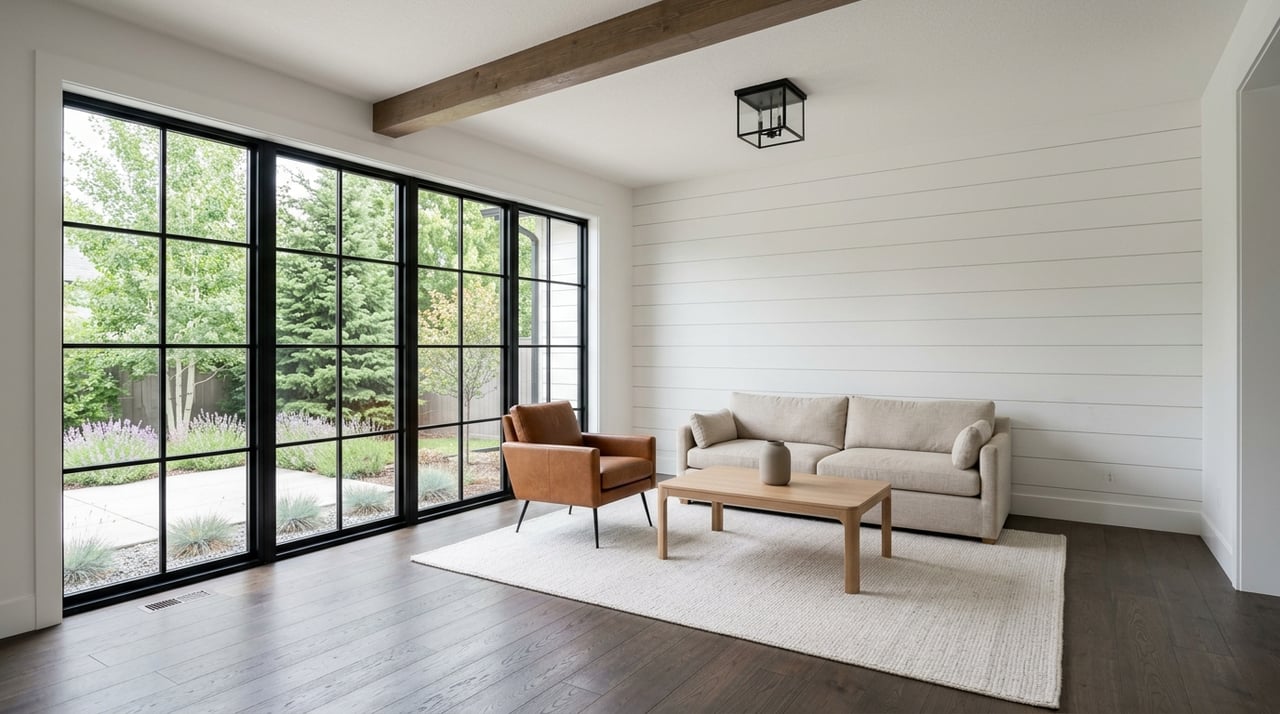
Staging is often helpful for older homes because it makes spaces feel simpler, brighter, and easier to understand. According to NAR, many buyers find it easier to visualize a property as their future home when it is staged. The rooms most often staged are the living room, primary bedroom, and kitchen.
That does not mean you need a major redesign. In many cases, staging means decluttering, using neutral colors, removing oversized furniture, and making key rooms feel open and functional. Even modest staging costs can support stronger presentation, and some sellers' agents report that staging can increase the dollar value offered.
Price from closed sales, not hope
Pricing an older home in Weiser takes discipline. Local market sources report different numbers because they are measuring different things, including active listings, estimated values, and closed sales. That is why closed comparable sales and your home's true condition should carry the most weight.
If your home is clean, well documented, and honestly priced, it can compete effectively even in a market where buyers are paying attention to value. Overpricing based on active listings alone can lead to longer time on market and harder negotiations later. A realistic price from day one often gives you a better chance at serious interest and a smoother contract.
What a smoother sale often looks like
When older-home sales go well, it is usually because the seller prepared early and stayed realistic. That means understanding likely inspection topics, gathering records, disclosing known issues, and making focused updates that improve confidence. Buyers do not expect perfection from an older home, but they do respond well to clarity.
In a town like Weiser, local knowledge matters. A strategy that works for a newer subdivision home may not fit a property with age, history, or unique maintenance needs. The right plan is usually the one that respects the home's character while addressing the practical questions buyers and lenders are likely to ask.
If you are thinking about selling an older home in Weiser, a local plan can make all the difference. The team at Two Rivers Real Estate Company LLC can help you price thoughtfully, prepare strategically, and market your home with the kind of local insight that builds buyer confidence.
FAQs
What should you fix before selling an older home in Weiser?
- Focus first on issues that affect safety, moisture, roof condition, electrical function, and overall first impressions. Cosmetic updates like paint and cleaning can help, but visible leaks or electrical concerns often deserve more attention.
What does Idaho require you to disclose when selling an older home?
- Idaho requires sellers of residential property to complete a disclosure form based on their knowledge within 10 calendar days after accepting an offer. The form asks about known issues such as leaks, drainage problems, siding defects, asbestos, radon, toxic materials, and historic-district status.
What inspection issues matter most for older homes in Weiser?
- Buyers often pay close attention to structure, roof, plumbing, electrical systems, heating and cooling, drainage, moisture, and possible lead-based paint concerns. These items can affect both negotiations and financing.
What happens if your older Weiser home has lead-based paint?
- If the home was built before 1978, you must disclose any known lead-based paint information, provide available records and reports, give the required lead pamphlet, and allow a 10-day opportunity for a buyer to complete a paint inspection or risk assessment.
What is the best pricing approach for an older home in Weiser?
- The strongest pricing approach is to use recent closed comparable sales and adjust for your home's actual condition. Active listing prices and online value estimates can be helpful context, but they should not be the main basis for your list price.