Buying your first home is a big step, and the right town makes all the difference. If you want small‑town ease, strong everyday amenities, and quick access to bigger job centers, Fruitland belongs on your shortlist. You can find manageable starter homes, short drives for groceries and coffee, and parks and river access for downtime.
In this guide, you’ll learn what a typical Fruitland starter home looks like, realistic price bands, commute times, local lifestyle highlights, and a simple checklist for smart viewings. By the end, you’ll have the practical details to decide if Fruitland fits your budget and your daily life. Let’s dive in.
Fruitland on the map
Fruitland sits on the Oregon–Idaho border just east of Ontario, Oregon, and along U.S. Route 95. The town’s identity is rooted in its orchards and small‑city pace, with quick connections to nearby hubs and I‑84 for regional access. You can read more about the location context and history in this overview of Fruitland on the Oregon–Idaho border.
Local errands are close. Fruitland to Payette is about 5 miles, or roughly 9 minutes by car. Ontario, your nearest full‑service retail hub across the river, is only a few miles away and an easy hop for groceries and big‑box shopping.
For regional commutes, plan on about 30 minutes to Caldwell and roughly 40 to 45 minutes to Nampa in normal traffic. The drive to Boise runs about 50 to 55 minutes depending on route and time of day.
Public transit in this cross‑border rural area is limited. Regional and paratransit providers serve medical and shopping trips, but fixed‑route commuter buses are not common. If you need daily commuting options, expect to be car‑dependent.
Starter homes in Fruitland
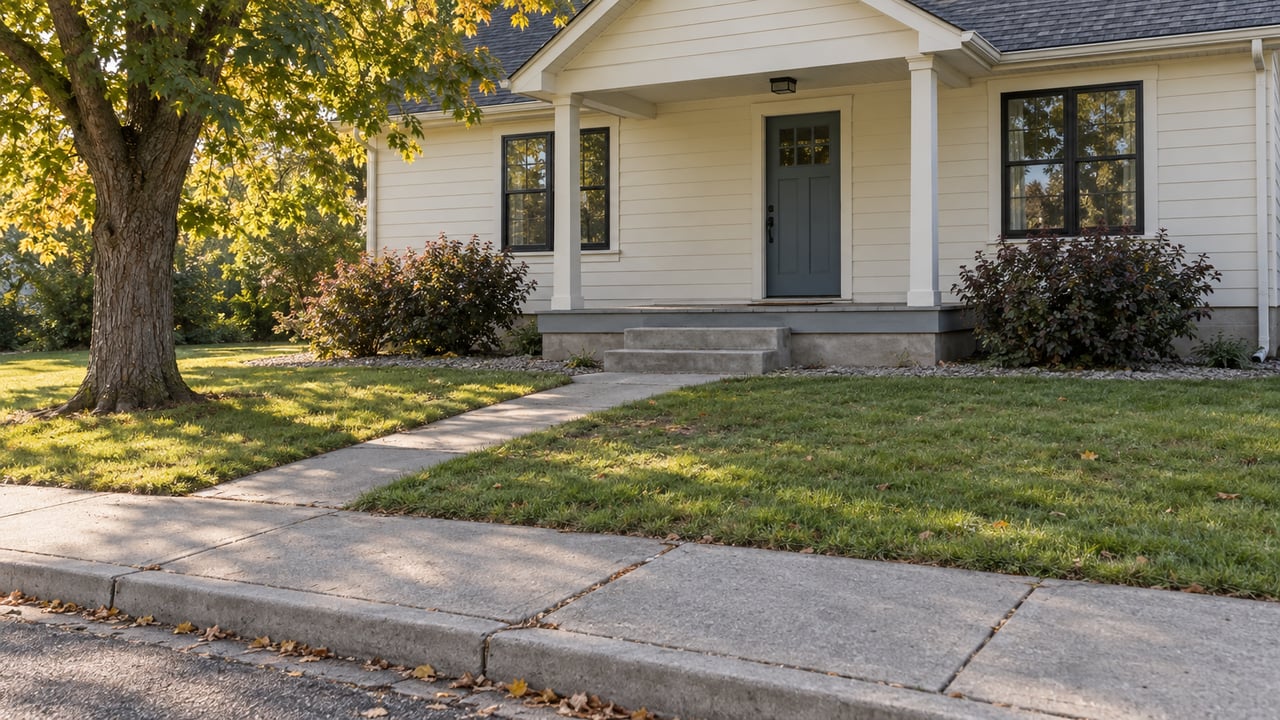
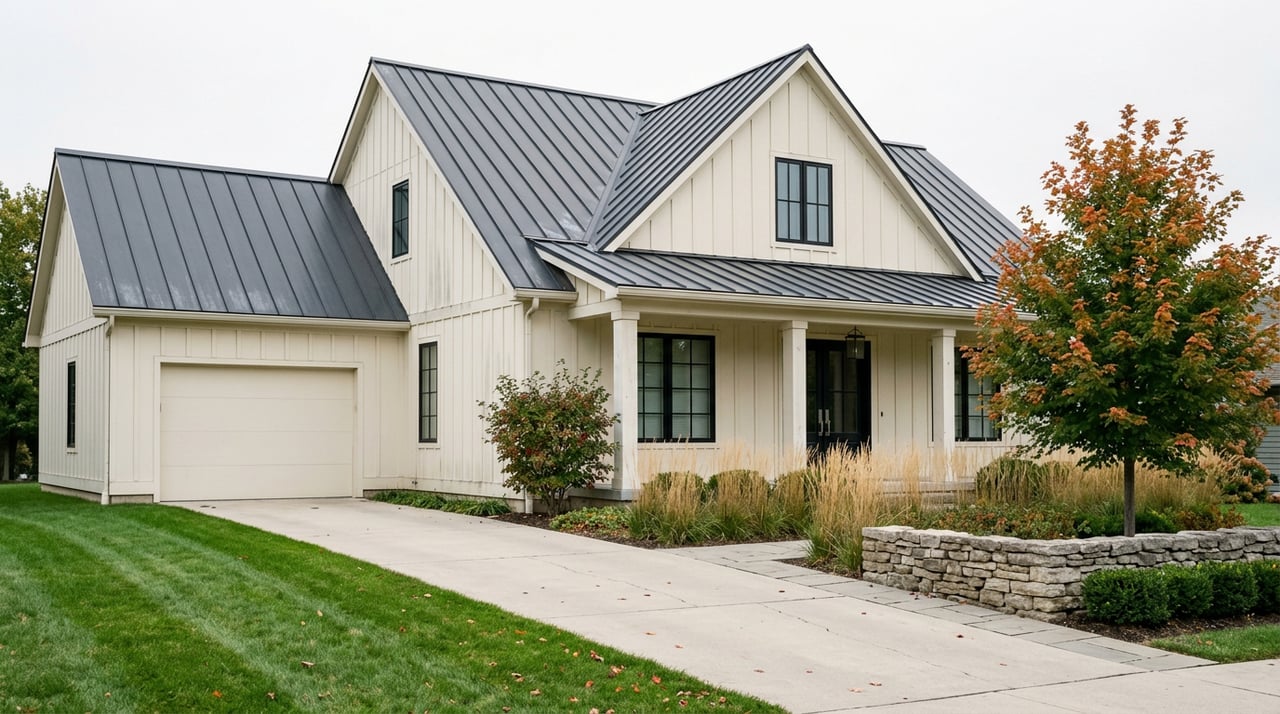
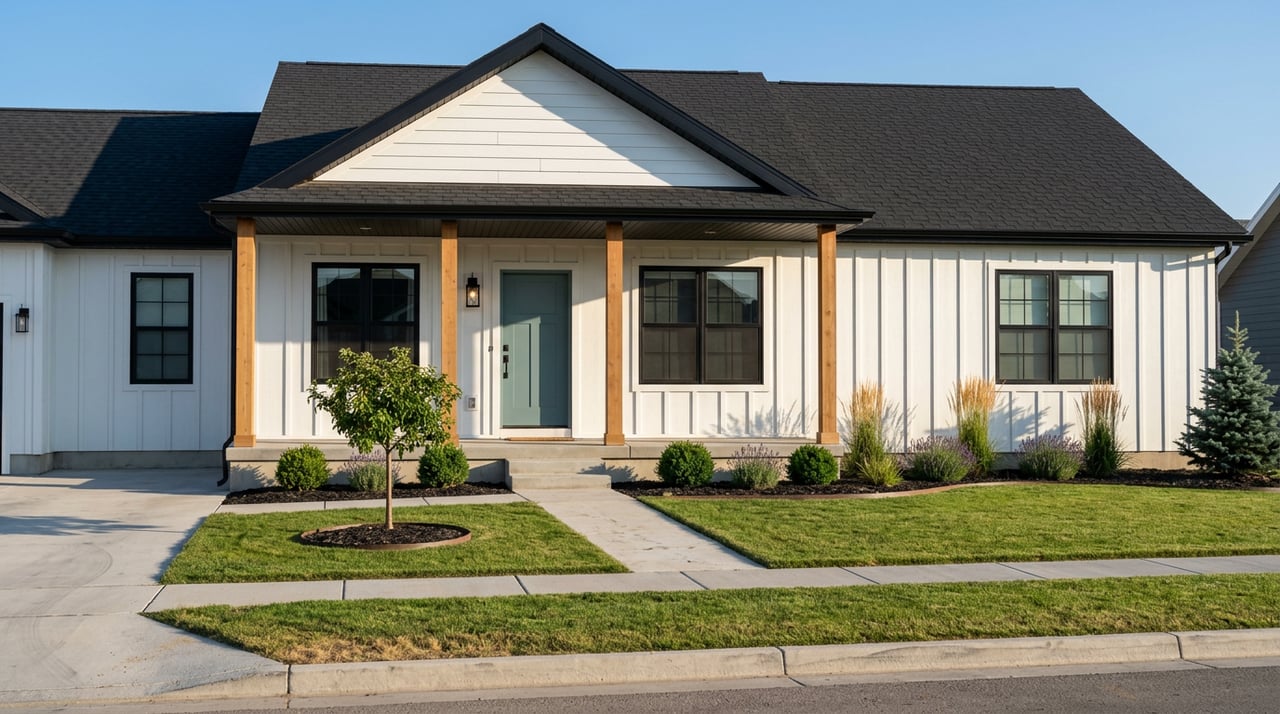
You have real variety for a first purchase. The housing stock includes older 20th‑century bungalows and single‑story ranch homes, a wave of newer traditional and Craftsman‑influenced builds from the 2000s on, small townhome clusters from the early 2020s, and manufactured homes in established parks. That mix gives you multiple entry points at different price levels.
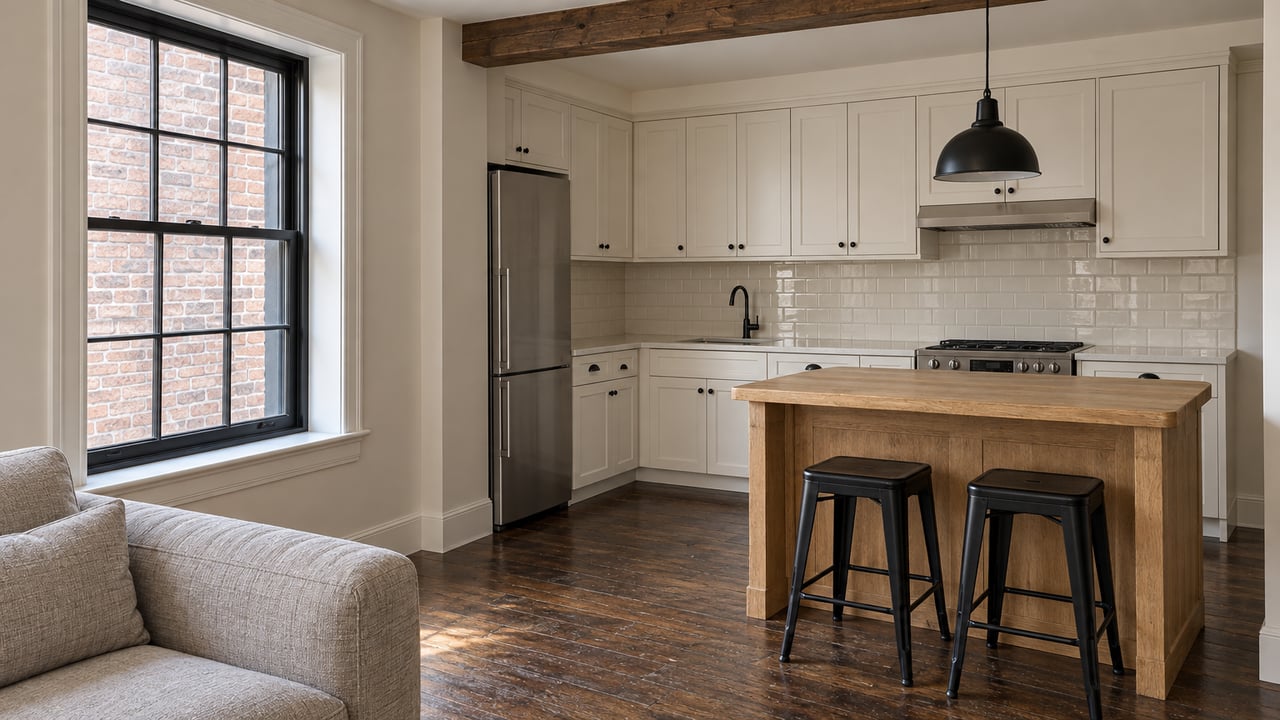
Most starter homes offer 2 to 3 bedrooms and about 900 to 1,700 square feet. Many are single‑level or have main‑level living, which keeps maintenance simple and can help with future resale. Layouts commonly feature open kitchen‑to‑living areas, and newer builds may add vaulted ceilings for extra light.
Lot sizes are a pleasant surprise for first‑time buyers. Older bungalows and ranches often sit on city lots, and some outlying streets reach roughly 0.15 to 0.3 acres. Townhome and newer infill lots are smaller, but most single‑family starters still provide a yard for a garden, pets, or play space.
Interior finishes vary by era and price point. You’ll often see attached single‑ or double‑car garages or carports, practical flooring choices like laminate or engineered wood, and mid‑market upgrades such as granite counters in newer or recently refreshed homes.
What your budget buys
Small markets can show wide swings in monthly data, so think in ranges rather than one hard number. Recent platform snapshots show Zillow’s local value index around 400k as of January 2026, Realtor.com’s median around 410k in late 2025, Rocket’s mid‑2025 median list price near 451k, and a small‑sample Redfin median that briefly spiked higher in early 2026. Differences reflect list price versus sale price and the small pool of transactions.
Here is a practical three‑tier view for first‑time buyers:
- Low‑cost entry: Manufactured homes in parks, including examples in Desert Rose Estates, have recently listed roughly 95k to 170k. Confirm whether the home sits on a leased space or on owned land, since that affects monthly costs and financing.
- Entry single‑family: Older or smaller detached homes with 2 to 3 bedrooms and roughly 900 to 1,600 square feet often list in the 250k to 400k range depending on condition and location.
- Move‑up/newer: Newer detached homes and larger 3 to 4 bedroom houses commonly list above 400k, with finishes and lot size influencing price.
If you are comparing Fruitland to Boise‑area suburbs, look at total monthly cost, not just list price. Factor in mortgage, taxes, insurance, and any HOA or space rent. Many buyers find they can get a yard and a garage in Fruitland for a budget that would buy a smaller footprint closer to Boise.
Everyday amenities and fun
Grocery and big‑box runs are fast. Most residents head to Ontario for Walmart and WinCo and to Payette for Albertsons and other services. The cross‑river trip is a short drive, which keeps weekly errands simple.
Healthcare is close to home. Both St. Luke’s and Saint Alphonsus have clinic and health‑plaza services in Fruitland, so you can access primary and urgent care nearby without a long drive. Review local offerings and hours at the Saint Alphonsus Fruitland location page.
Fruitland’s parks make everyday life feel easy. Fruitland Community Park sits near downtown with a splash pad and play area, Crestview Park offers neighborhood green space and planned trail links, and Mesa Park hosts sports and community events. You can explore park amenities and updates on the city’s parks page.
Downtown has a cozy, walkable feel anchored by independent spots. Grab a latte at Jack Henry Coffee, a local favorite, or plan breakfast or lunch at The Black Cow Cafe & Mercantile. Ogawa’s Wicked Sushi adds a casual option for bowls and sushi.
Community events bring neighbors together throughout the year. Expect weekly markets, seasonal downtown family days, and high‑school game nights that add to the local social scene. Event names and dates change, so check the city calendar before you go.
Commute trade‑offs
One of Fruitland’s biggest advantages is the split between short daily errands and bigger‑city access. Groceries, pharmacies, and cafés are just minutes away in Ontario or Payette, while I‑84 puts Caldwell, Nampa, and Boise within striking distance for work and air travel.
Plan your decision around your routine. A Caldwell commute at about 30 minutes can feel very manageable. If your job is in Boise, the roughly 50 to 55 minute drive works for many buyers who value more space and a quieter pace. Drive the route at your typical time to see how it feels for you.
First‑time buyer checklist
Use this quick checklist to focus your showings and due diligence:
- River and drainage: Note proximity to the Payette River or low‑lying areas. Ask about any floodplain, past drainage improvements, and typical seasonal conditions.
- Yard orientation: Check sun exposure and shade patterns for summer comfort and gardening. South and west yards run warmer in Idaho summers.
- Utilities and internet: Confirm water, sewer or septic, irrigation options, and available internet providers. The city website is a good starting point for utility contacts and service areas.
- Manufactured homes: Verify if the home sits on leased park land or on a privately owned lot. Ask about park rules, monthly space rent, and how the land setup affects financing and insurance.
- Parking and storage: Count garage bays or carport coverage, and check for attic or shed storage for gear and seasonal items.
- Updates and maintenance: Single‑level layouts are popular for easy living and future resale. Scope likely DIY projects, from paint and flooring to kitchen or bath refreshes.
- Full monthly budget: Compare mortgage, taxes, insurance, any HOA fees or park rent, and utilities across homes and neighborhoods. Include commute costs in your math.
- Commute test: Drive to your workplace at your normal time. A realistic test is the best way to confirm your comfort level.
Is Fruitland a fit?
Choose Fruitland if you want small‑town rhythm with quick access to services and outdoor time. You will find real starter‑home choices, from manufactured homes to classic ranches and newer Craftsman styles, often with usable yards. In return, you should be comfortable with car dependence and, for many jobs, a longer commute.
If that trade‑off works for you, Fruitland can be a smart, grounded first step into homeownership.
Ready to get started?
If Fruitland is on your radar, we can help you move with confidence. Our team pairs local knowledge with practical, step‑by‑step guidance for first‑time buyers, from narrowing the right neighborhoods to negotiating and closing. To tour homes, compare options, or get matched with new listings, connect with Two Rivers Real Estate Company LLC.
FAQs
What are typical starter home prices in Fruitland for 2025–2026?
- Recent platform snapshots indicate a wide range: manufactured homes around 95k–170k, many smaller single‑family homes about 250k–400k, and newer or larger homes above 400k, with Zillow’s local value index near 400k as of January 2026 and other platforms showing similar mid‑400k medians.
How long is the commute from Fruitland to Boise for daily work?
- Plan on roughly 50–55 minutes by car in normal traffic, with route and time of day making the biggest difference.
Is public transit a realistic commuting option from Fruitland?
- Fixed‑route service is limited in this rural, cross‑border area; regional and paratransit options focus on medical and shopping trips, so most commuters rely on a car.
What everyday amenities will I use most living in Fruitland?
- Expect quick trips to Ontario and Payette for major groceries and services, local clinics for care, city parks for recreation, and a small downtown for coffee and casual dining.
What should I look for if a home is near the river or low‑lying areas?
- Ask about floodplain status, drainage, and any insurance requirements, then review seller disclosures and consult local resources or professionals for clarity.
Are rental options limited if I want to rent first?
- Rental listings tend to be sparse compared with larger metros, so be ready to act quickly on well‑priced homes and check current inventory often.