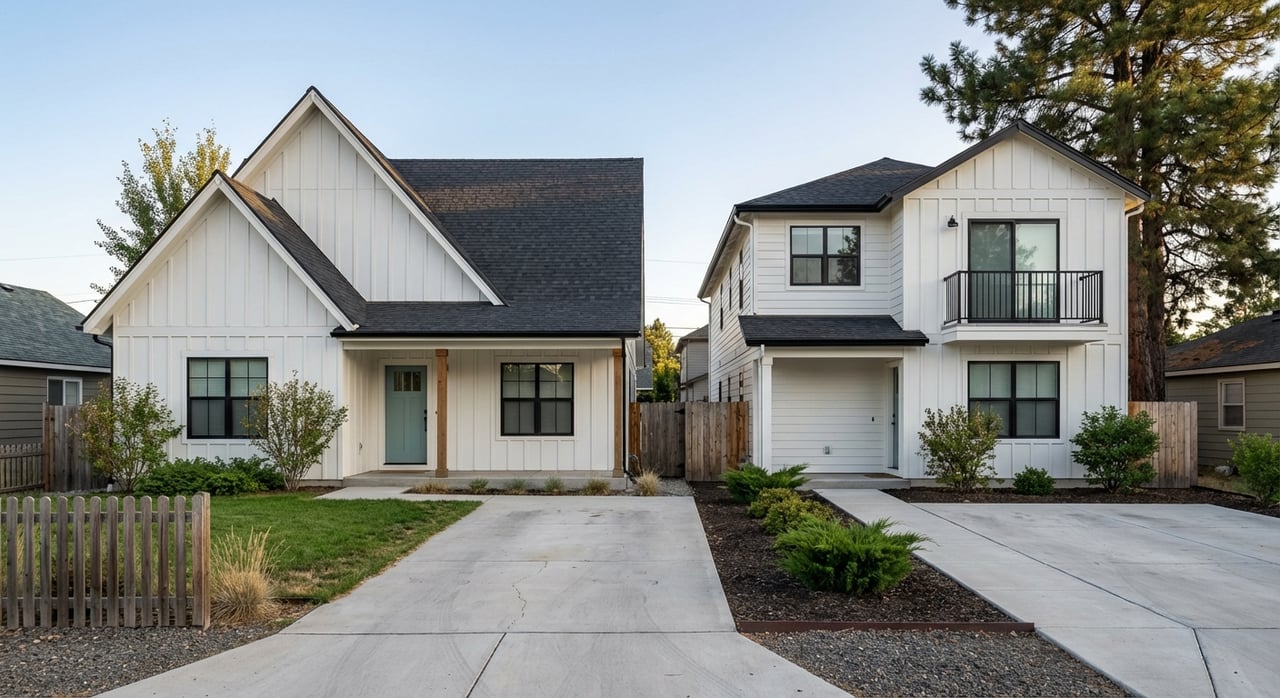
You want a place in McCall that fits your lifestyle and makes financial sense. The big question is whether a stand-alone vacation home or a condo is the better move. Each option shines in different ways, from privacy and storage to HOA dues and rental performance. In this guide, you’ll learn how the two compare in McCall, what to budget, which rules to check, and how to match the choice to your goals. Let’s dive in.
McCall market snapshot
McCall is a four-season resort town on Payette Lake with strong summer and winter draw. Annual highlights like the Winter Carnival and skiing at Brundage drive peak short-stay demand, which can support rental income if you plan to host guests. You can see how the town leans into those winter festivities in this local look at the McCall Winter Carnival.
On pricing, the average home value in early 2026 sits around the mid to upper six figures, with some indices placing McCall near the $760,000 mark. Condos and townhomes show a wide spread, from under $400,000 to well over $1 million depending on size and proximity to the lake or slopes. Different data sources use different methods, so plan to use local comps when you get serious about a specific property.
Start with your goals
Before you pick a property type, get clear on how you will use it.
- Owner use vs rental: How many nights will you personally occupy it in a typical year? If you plan frequent owner use with occasional rentals, lenders often view the purchase as a second home. If the goal is primarily short-term renting, most lenders treat it as an investment property.
- Hands-on vs hands-off: Do you want to handle upkeep and guest logistics, or would you rather lean on an HOA and a manager?
- Space needs: Do you need a garage for a boat or snowmobiles, or is walkability to downtown your top priority?
Upfront costs and financing
- Vacation home: You can often finance a second home with a minimum down payment around 10 percent for well qualified borrowers. If your use case looks like an investment, expect larger down payments, commonly 15 to 25 percent or more, with tighter reserve requirements.
- Condo: The loan rules are similar, but condos add project-level review. Some buildings must meet lender requirements for reserves, owner occupancy mix, and insurance coverage. Ask your lender early how they view the specific building.
Tip: Get preapproved for both scenarios, second home and investment, so you know the thresholds for each before you write an offer.
Monthly carrying costs
- Vacation home: You handle exterior maintenance, roof, yard and driveway, and usually snow removal. A good rule of thumb is to reserve about 1 percent of the property’s value per year for maintenance, and adjust up for older homes, heavy snow loads, or lakefront exposure.
- Condo: HOAs typically cover exterior structure and common areas, sometimes some utilities or amenities. Your focus shifts to monthly dues and interior upkeep. Dues in McCall can range from modest to high depending on amenities and reserves, so review the HOA budget and reserve study rather than guessing.
Space and lifestyle
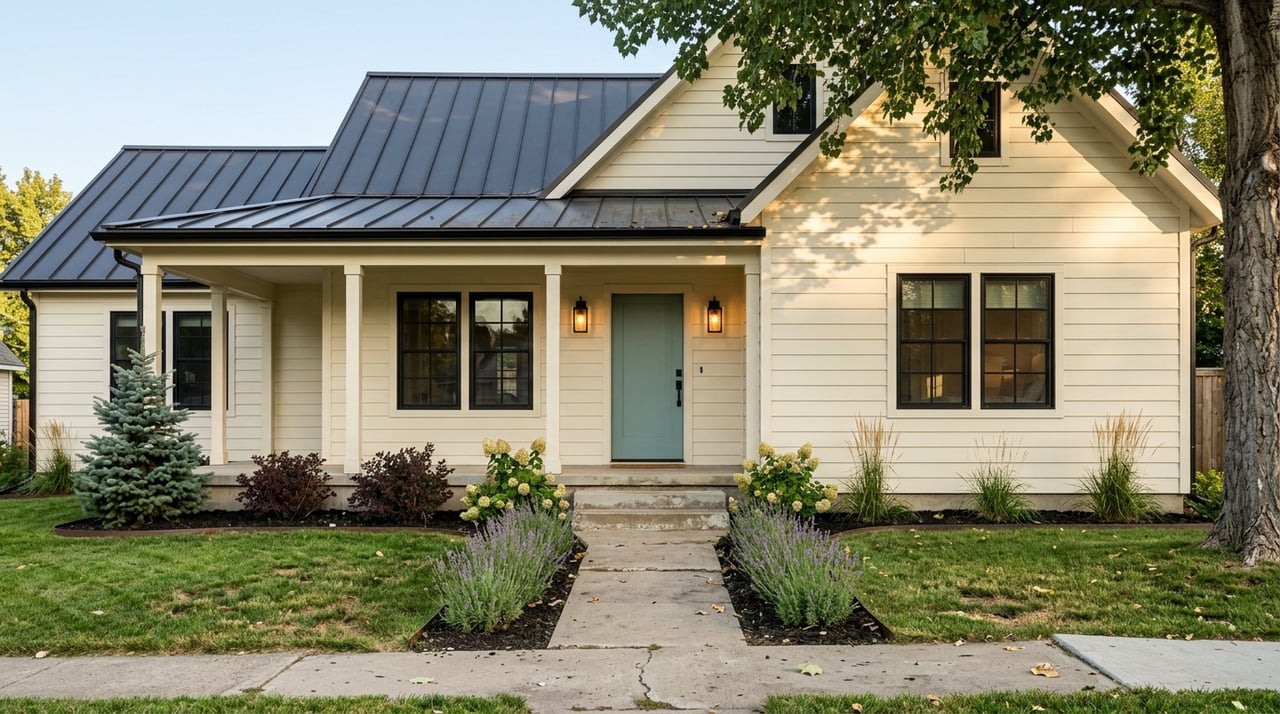
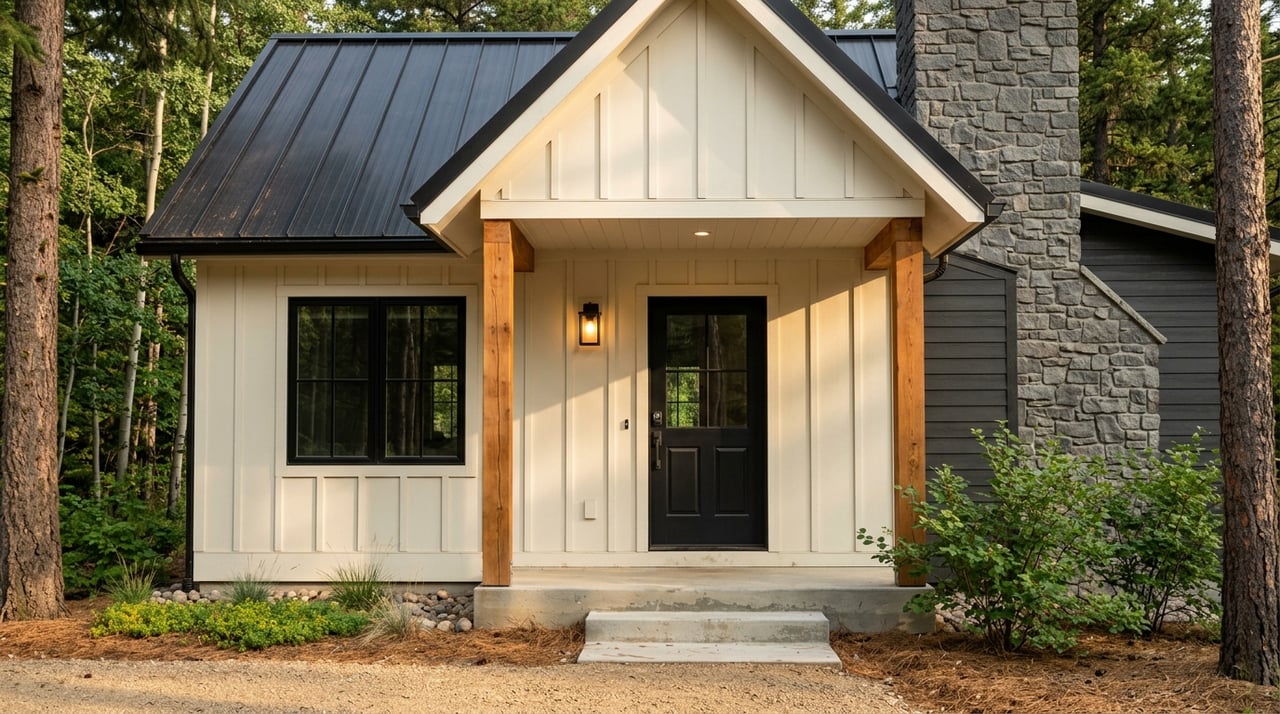
- Vacation home: More privacy and storage, often with garages or sheds for boats, skis, and bikes. Yards and separation from neighbors give you that private-retreat feel.
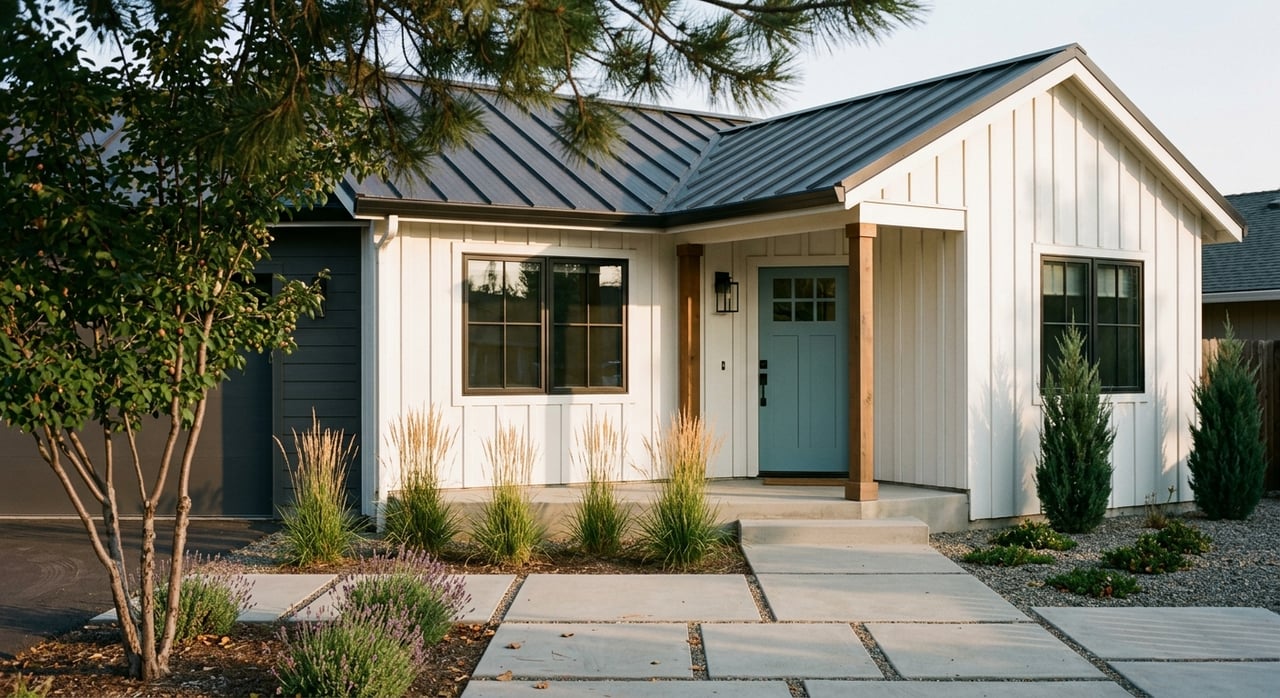
- Condo: Less upkeep and a lock-and-leave lifestyle. Shared walls and common parking are common. If you value simplicity and quick access to downtown or amenities, this can be a strong fit.
Amenities and rentals
- Vacation home: Lakefront and slope-adjacent homes can command premium nightly rates, especially for larger groups. Upfront and ongoing costs tend to be higher.
- Condo: Built-in amenities like hot tubs, elevators, and on-site parking can attract steady short-stay demand, and you will not have to build that infrastructure yourself. Use local data to validate expectations. McCall’s short-term rental market shows seasonal swings, with average daily rates in the low to mid $300s and occupancy often in the 30 to 50 percent band. Check neighborhood-level performance in tools like AirDNA’s McCall overview when you model a specific unit.
Insurance and risk
- Condo: You will typically carry an HO-6 policy that covers interior finishes, personal property, liability, and loss assessment. The HOA’s master policy defines what the association insures versus what is on you, so request those declarations before you buy. For a plain-English primer, see this condo insurance overview.
- Vacation home and STR coverage: Platform protections are not a substitute for insurance. If you plan to rent, make sure your homeowners or condo policy permits short-term rentals, or add a STR endorsement or separate policy. Local underwriters may price or restrict frequent STRs differently. A specialist can help you choose coverage and consider umbrella liability. Learn more about short-term rental insurance considerations.
Rules, permits, and taxes
McCall regulates short-term rentals inside city limits. You need a city Short-Term Rental Permit, and the program includes application criteria and annual fire and health safety inspections. Always confirm whether a property sits inside the city, in the “impact area,” or solely under county rules. Start with the city’s Short-Term Rentals page.
On taxes, Idaho adds state sales tax and a 2 percent Travel and Convention tax to short stays. Platforms sometimes collect on your behalf, but you are responsible for compliance. See Idaho’s Travel and Convention tax guidance. McCall also levies a local lodging or local option tax that increases the guest’s total and affects your pricing. Check the city’s Local Option Tax page for current structure and remittance details.
Idaho’s legal environment around STRs is evolving. A 2025 Idaho Supreme Court decision limited how far cities can go in functionally prohibiting non owner occupied STRs. Because rules and enforcement can change, verify the current ordinance and any litigation that could affect your property before you close. You can read the court’s summary here: Idaho Supreme Court decision on STR restrictions.
Build a simple budget
Use conservative estimates and test both a second-home and an investment scenario.
- Mortgage: Price a second-home loan with a 10 percent minimum down option, then test an investment loan with a 15 to 25 percent down assumption and higher reserves.
- HOA dues: Pull the exact monthly or annual amount from seller or HOA documents, and review reserves and recent assessments.
- Maintenance: Budget around 1 percent of property value per year. Increase for older roofs, steep driveways that need snow work, docks, or extensive hardscape.
- Insurance: Get written quotes for HO-6 or homeowners coverage with short-term rental approval, and consider umbrella liability.
- Property management: If you will not self manage, plug in fees. Half-service marketing and booking plans often run around 10 to 15 percent, and full-service management often quotes 20 to 35 percent. Cleaning, laundry, supplies, and minor maintenance are usually extra. For a quick overview of fee structures, see this look at Airbnb management fees.
- Taxes on lodging: Include Idaho sales and travel taxes, plus McCall’s local option lodging tax. Confirm whether your platform or manager will remit.
- Seasonality: Model occupancy and ADR by month. Expect strong summer and mid-winter peaks with softer shoulder seasons. Use AirDNA’s McCall data to sanity check your assumptions.
Due diligence checklist
Request these items early so you can validate costs and risk.
- Seller: Full disclosures, recent utility and repair invoices, ages of roof and major systems, septic or sewer status.
- HOA: CC&Rs, bylaws, budget, reserve study, recent meeting minutes, insurance master-policy declarations, and any loss-assessment language.
- STR compliance: Proof of a current McCall Short-Term Rental Permit if inside city limits, or county guidance if outside. Confirm recent inspection history.
- Rental data: Actual statements or a manager pro forma if available. If not, pull a third-party market report for the immediate area.
- Insurance: Written confirmation from an agent that coverage is available for your intended use and any required endorsements.
Red flags to pause
- Thin HOA reserves or recent large special assessments that signal more to come.
- Unsettled or disputed STR permits, or ongoing litigation that could change how a rule applies to your parcel.
- Insurance refusals or unusually high premiums related to wildfire risk or remote access. Get quotes early in the process.
Who each option fits
- Choose a vacation home if you want maximum privacy and space, room for toys, and you plan longer family stays or host larger groups. This can work well if you are comfortable managing more upkeep and variable snow work.
- Choose a condo if you want low upkeep, lock-and-leave convenience, and easy access to downtown or on-site amenities. This is often a better fit for frequent short stays, simpler management, and predictable monthly HOA costs.
Work with local pros
Your decision is easier when you have a McCall-based team.
- Buyer’s agent: Local comps, off-market options, HOA and neighborhood insight, and practical guidance on how STR rules are applied in specific areas.
- Lender: Preapproval that reflects second-home vs investment treatment and any condo project requirements.
- Property manager: A pre-purchase pro forma with fees, cleaning costs, and realistic ADR and occupancy.
- Insurance broker: Policy type, endorsements for STRs, and umbrella liability limits if you plan to host guests.
- CPA or tax advisor: Idaho and federal treatment of income and deductions, plus lodging tax filings.
Ready to explore McCall
Whether you lean condo or stand-alone home, the right move starts with clear goals and good local information. Keep your numbers conservative, verify HOA and permit details in writing, and use current, neighborhood-level rental data to set expectations. When you are ready to compare specific properties, we are here to help you evaluate options, run budgets, and coordinate the right team. Work with a local guide who knows both vacation homes and condos in McCall.
If you are ready to tour or want a no-pressure consult, reach out to Two Rivers Real Estate Company LLC. We can help you find the right fit and, if you plan to rent, align your purchase with smart management from day one.
FAQs
What taxes apply to short-term rentals in McCall?
- For short stays, Idaho’s state sales tax and a 2 percent Travel and Convention tax apply, and the City of McCall adds a local option lodging tax that increases guest totals. Check the city’s Local Option Tax and Idaho’s travel tax pages for current details.
Do I need a permit to short-term rent in McCall?
- If the property is inside McCall city limits, you must obtain a Short-Term Rental Permit that includes safety inspections. Always confirm whether the parcel is inside the city, in the impact area, or under county rules.
How do seasons affect rental income in McCall?
- Expect pronounced peaks in summer and mid winter tied to lake season and skiing, with softer shoulder months. Use neighborhood data for ADR and occupancy when you build your budget.
What are typical STR management fees in resort markets?
- Half-service booking plans often run around 10 to 15 percent of revenue, while full-service management is commonly 20 to 35 percent, plus separate cleaning and turnover costs.
How do financing rules differ for second homes vs investments?
- Lenders often allow minimum down payments near 10 percent for well qualified second-home buyers, while investment loans commonly require 15 to 25 percent or more, plus stronger reserves and documentation.
What condo insurance do I need if I plan to rent?
- Most condo owners carry an HO-6 policy for interiors, personal property, and liability, plus loss assessment. If you will host guests, confirm that your policy or endorsement permits short-term rentals and consider umbrella liability.